I’m Samira Soltani, an AI Product Designer blending data-driven marketing insights with emerging technology to build products that scale.

I’m Samira Soltani, an AI Product Designer blending data-driven marketing insights with emerging technology to build products that scale.

I’m Samira Soltani, an AI Product Designer blending data-driven marketing insights with emerging technology to build products that scale.


BMO Credit: Redesigning for Clarity
Optimizing BMO’s credit card selection by transforming a high-friction layout into a transparent, decision-first experience.
PocketTax: Solving the Solopreneur’s Tax Gap
An AI-powered B2B2C platform designed to transform Canadian tax compliance from a yearly crisis into a seamless, year-round mobile habit.


Designed and prototyped a responsive, mobile-first Art Auction app, empowering art buyers to efficiently manage clients and track real-time bidding and winning lots.
Uber -Improving Package Delivery Security
Designing a system that introduces recipient account linking and a mandatory PIN to ensure delivery confirmation and enable direct follow-up support for package receivers.


AI Role-Playing for Usability Testing: A Budget-Conscious Exploration
To address budget constraints and explore innovative applications of AI in usability testing—moving beyond current uses like form creation or summary generation—I implemented an innovative AI role-playing method using Gemini.

BMO Credit: Redesigning for Clarity
Optimizing BMO’s credit card selection by transforming a high-friction layout into a transparent, decision-first experience.
PocketTax: Solving the Solopreneur’s Tax Gap
An AI-powered B2B2C platform designed to transform Canadian tax compliance from a yearly crisis into a seamless, year-round mobile habit.


Designed and prototyped a responsive, mobile-first Art Auction app, empowering art buyers to efficiently manage clients and track real-time bidding and winning lots.
Uber -Improving Package Delivery Security
Designing a system that introduces recipient account linking and a mandatory PIN to ensure delivery confirmation and enable direct follow-up support for package receivers.


AI Role-Playing for Usability Testing: A Budget-Conscious Exploration
To address budget constraints and explore innovative applications of AI in usability testing—moving beyond current uses like form creation or summary generation—I implemented an innovative AI role-playing method using Gemini.

BMO Credit: Redesigning for Clarity
Optimizing BMO’s credit card selection by transforming a high-friction layout into a transparent, decision-first experience.
PocketTax: Solving the Solopreneur’s Tax Gap
An AI-powered B2B2C platform designed to transform Canadian tax compliance from a yearly crisis into a seamless, year-round mobile habit.


Designed and prototyped a responsive, mobile-first Art Auction app, empowering art buyers to efficiently manage clients and track real-time bidding and winning lots.
Uber -Improving Package Delivery Security
Designing a system that introduces recipient account linking and a mandatory PIN to ensure delivery confirmation and enable direct follow-up support for package receivers.


AI Role-Playing for Usability Testing: A Budget-Conscious Exploration
To address budget constraints and explore innovative applications of AI in usability testing—moving beyond current uses like form creation or summary generation—I implemented an innovative AI role-playing method using Gemini.
Mini Projects
A series of mini projects exploring accessibility-first design, turning real user barriers into inclusive, usable solutions.

Alt Text Solved: SEO, Accessibility & GEO in seconds
AltTexty is a straightforward platform designed to produce high-quality metadata for various platforms.

Wayfinder: an AI-Powered Indoor Navigator
WayFinder allows users to stop worrying about the map and focus on their destination. It provides a "zero-friction" onboarding experience where users can set their starting point by simply snapping a photo of a nearby store, using their voice, or searching the directory.

Art Accessibility Is Available On Demand
The app uses the camera to understand the artwork and narrates the art work based on the selected persona (e.g. Formal art historian). The AI persona guide explains the artwork and provides additional interesting facts on the piece.
Mini Projects
A series of mini projects exploring accessibility-first design, turning real user barriers into inclusive, usable solutions.

Alt Text Solved: SEO, Accessibility & GEO in seconds
AltTexty is a straightforward platform designed to produce high-quality metadata for various platforms.

Wayfinder: an AI-Powered Indoor Navigator
WayFinder allows users to stop worrying about the map and focus on their destination. It provides a "zero-friction" onboarding experience where users can set their starting point by simply snapping a photo of a nearby store, using their voice, or searching the directory.

Art Accessibility Is Available On Demand
The app uses the camera to understand the artwork and narrates the art work based on the selected persona (e.g. Formal art historian). The AI persona guide explains the artwork and provides additional interesting facts on the piece.
Mini Projects
A series of mini projects exploring accessibility-first design, turning real user barriers into inclusive, usable solutions.

Alt Text Solved: SEO, Accessibility & GEO in seconds
AltTexty is a straightforward platform designed to produce high-quality metadata for various platforms.

Wayfinder: an AI-Powered Indoor Navigator
WayFinder allows users to stop worrying about the map and focus on their destination. It provides a "zero-friction" onboarding experience where users can set their starting point by simply snapping a photo of a nearby store, using their voice, or searching the directory.

Art Accessibility Is Available On Demand
The app uses the camera to understand the artwork and narrates the art work based on the selected persona (e.g. Formal art historian). The AI persona guide explains the artwork and provides additional interesting facts on the piece.
Who I Am: The Strategic Designer
I’m a designer and researcher who loves figuring out how people connect with technology. My career has moved through many different fields—from the media industry, where I managed projects like a Product Owner, to the world of VR.
These experiences taught me to always ask "why" and "how" before I start building, making sure a solution is actually necessary.
Right now, I’m helping small businesses grow their digital presence while experimenting with how AI can change the way we design products. I’m testing which traditional design steps still work and which ones we can improve for the future.
I’m looking for my next UX/Product Design project where I can use my mix of research and strategy to solve real problems.
Let’s connect!
Professional Development Certificate

Google UX Design Specialization

The Ultimate Figma Masterclass
Designership

UX Design for Virtual Reality
Interaction Design Foundation
Who I Am: The Strategic Designer
I’m a designer and researcher who loves figuring out how people connect with technology. My career has moved through many different fields—from the media industry, where I managed projects like a Product Owner, to the world of VR.
These experiences taught me to always ask "why" and "how" before I start building, making sure a solution is actually necessary.
Right now, I’m helping small businesses grow their digital presence while experimenting with how AI can change the way we design products. I’m testing which traditional design steps still work and which ones we can improve for the future.
I’m looking for my next UX/Product Design project where I can use my mix of research and strategy to solve real problems.
Let’s connect!
Professional Development Certificate

Google UX Design Specialization

The Ultimate Figma Masterclass
Designership

UX Design for Virtual Reality
Interaction Design Foundation
Who I Am: The Strategic Designer
I’m a designer and researcher who loves figuring out how people connect with technology. My career has moved through many different fields—from the media industry, where I managed projects like a Product Owner, to the world of VR.
These experiences taught me to always ask "why" and "how" before I start building, making sure a solution is actually necessary.
Right now, I’m helping small businesses grow their digital presence while experimenting with how AI can change the way we design products. I’m testing which traditional design steps still work and which ones we can improve for the future.
I’m looking for my next UX/Product Design project where I can use my mix of research and strategy to solve real problems.
Let’s connect!
Professional Development Certificate

Google UX Design Specialization

The Ultimate Figma Masterclass
Designership

UX Design for Virtual Reality
Interaction Design Foundation

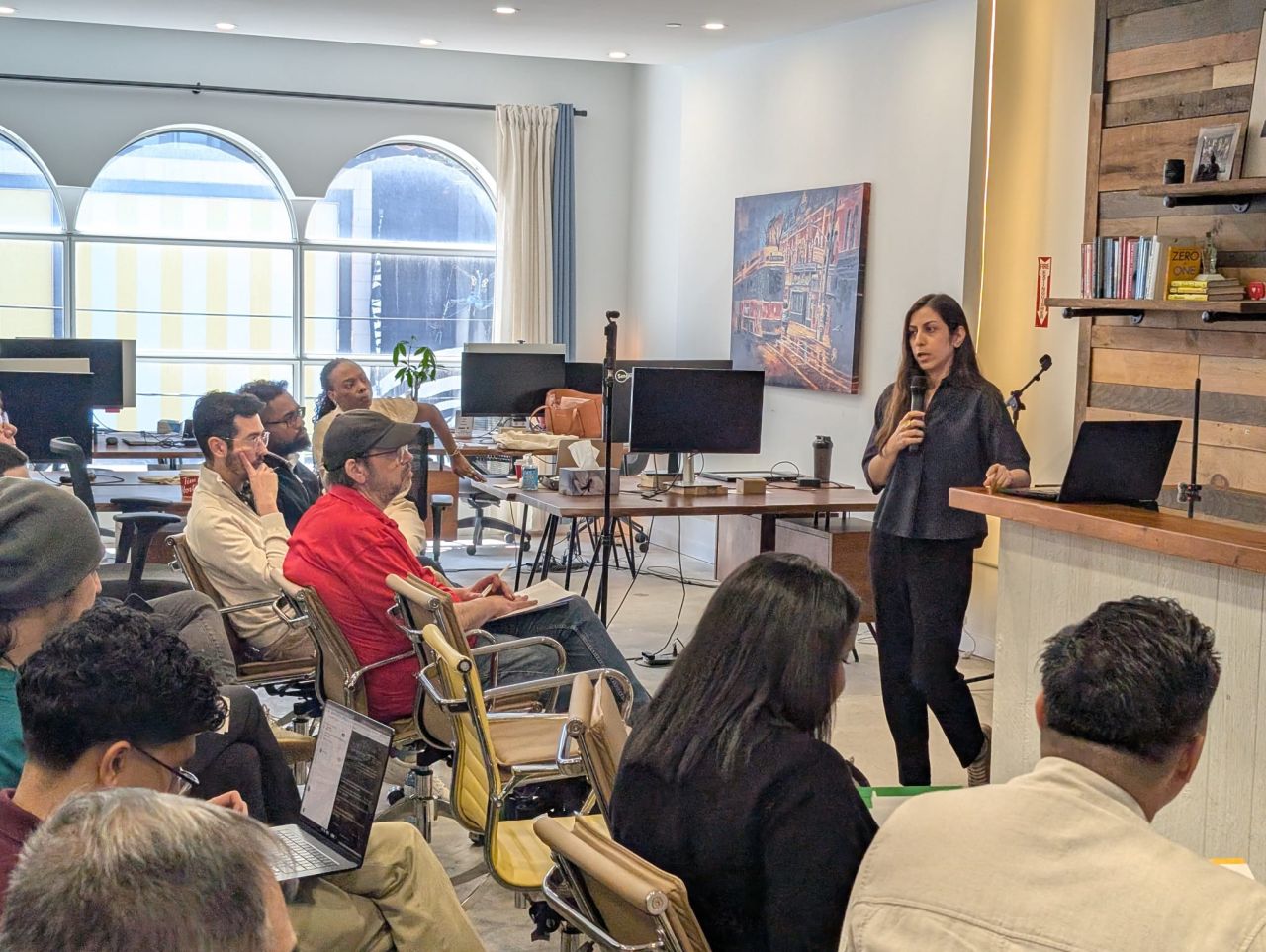
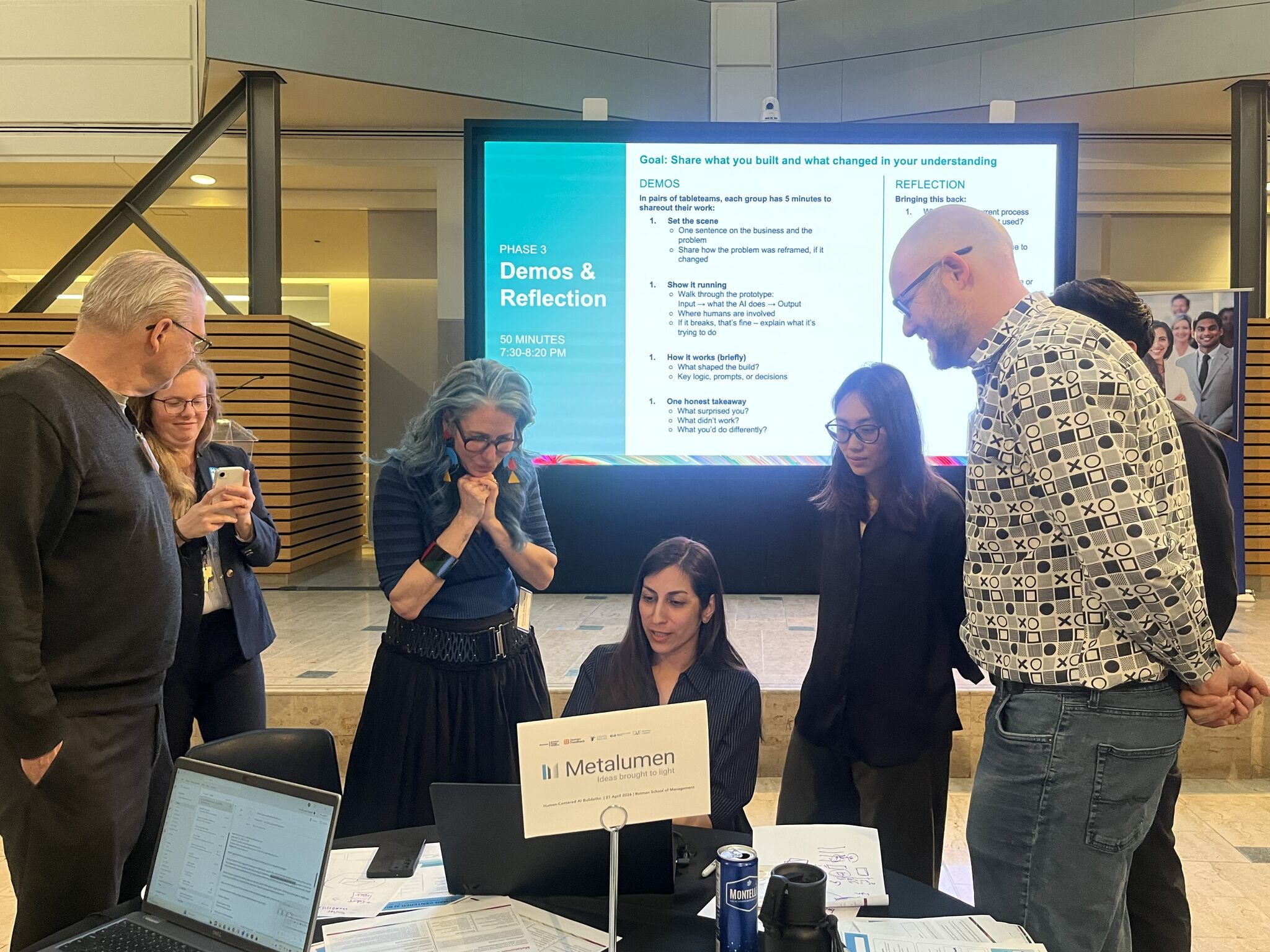
𝗖𝗮𝗻 𝗮𝗻 “𝗶𝗺𝗽𝗼𝘀𝘀𝗶𝗯𝗹𝗲 𝘁𝗼 𝘀𝗼𝗹𝘃𝗲” 𝗽𝗿𝗼𝗯𝗹𝗲𝗺 𝗯𝗲 𝗮𝗱𝗱𝗿𝗲𝘀𝘀𝗲𝗱 𝗯𝘆 𝗮𝗻 𝗔𝗜 𝘀𝗼𝗹𝘂𝘁𝗶𝗼𝗻? Last night, during the AI Buildathon at the University of Toronto - Rotman School of Management, our team developed a solution using vibe coding and human-centred AI design principles to address a real business problem.

𝗗𝗼𝗲𝘀 𝘄𝗶𝗿𝗲𝗳𝗿𝗮𝗺𝗶𝗻𝗴 𝗯𝗲𝗰𝗼𝗺𝗲 "𝗶𝗻𝘃𝗶𝘀𝗶𝗯𝗹𝗲"? Heads up: this might be more relevant if you are starting from scratch… Today, many startups skip traditional design steps and go straight from an idea to working code. In my Pocket Tax project, I chose to skip static wireframing and work directly in Google AI Studio.

Keeping up with AI news and platforms can be challenging, but communities of builders and designers make it easier to learn about new tools and discover small but important tips that you might not have known.

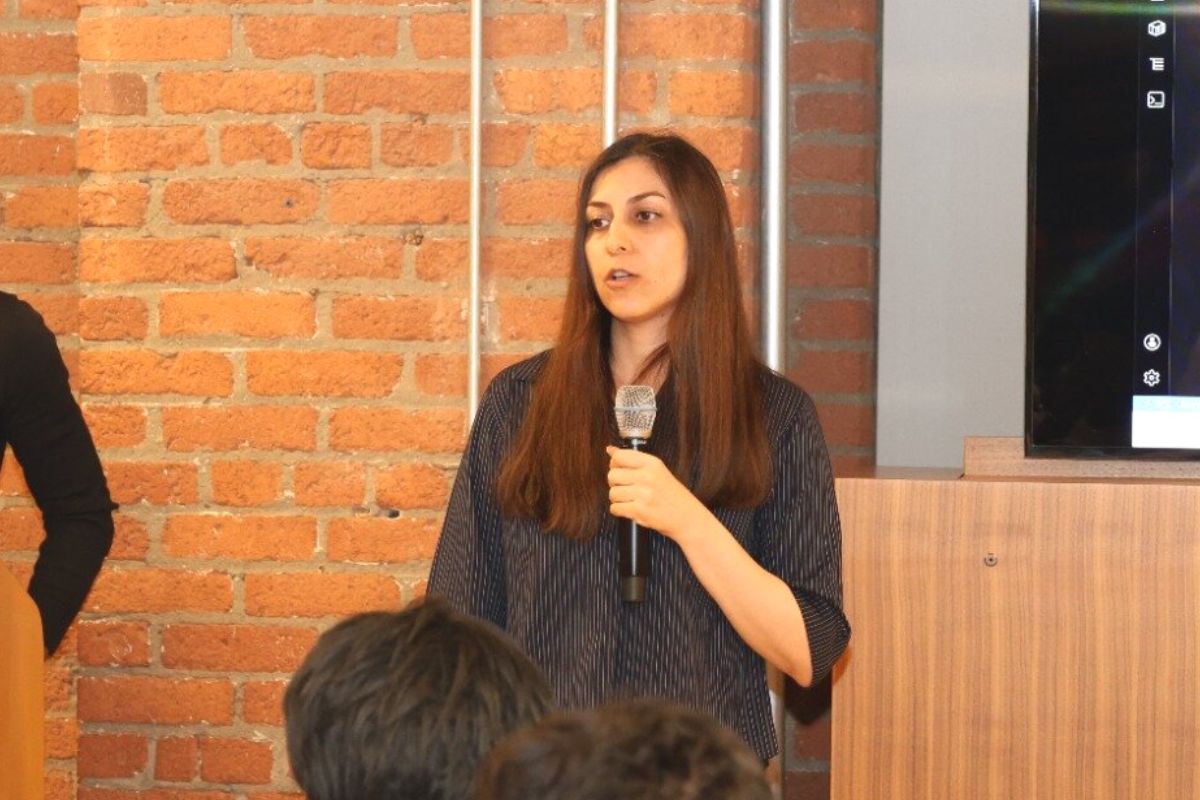
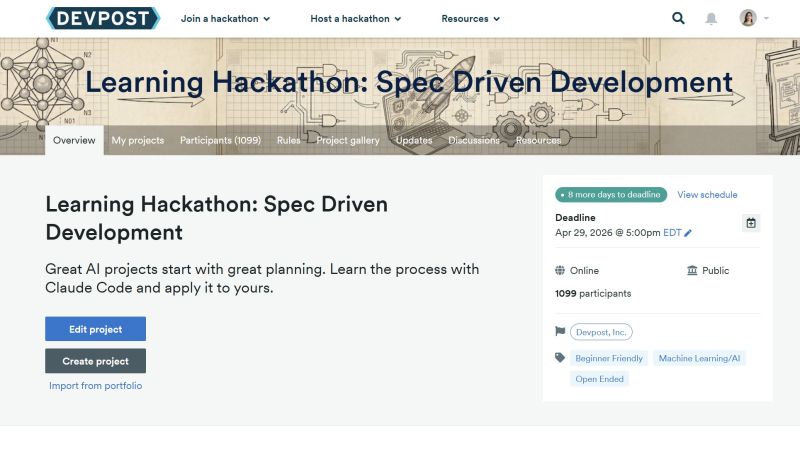
Recently, Devpost promoted a Learning Hackathon that presents a great opportunity for non-developers to think more like programmers and understand backend planning while vibe coding. I have learned to run Claude in the terminal and use Hackathon's plugin, which interviews you to generate ideas.

𝗧𝗮𝗸𝗲 𝗣𝗿𝗼𝗮𝗰𝘁𝗶𝘃𝗲 𝗔𝗰𝘁𝗶𝗼𝗻𝘀 𝘁𝗼 𝗢𝘃𝗲𝗿𝗰𝗼𝗺𝗲 𝗬𝗼𝘂𝗿 𝗔𝗜 𝗙𝗮𝘁𝗶𝗴𝘂𝗲 I recently read an opinion piece in Communications of the ACM discussing “AI fatigue,” and the pressure on both individuals and organizations to keep up with the “unprecedented pace of AI.” The article noted that there are no signs of slowing down or addressing the fatigue ‘systematically.’ This made me reflect on how my experiments with AI helped me to overcome my AI fatigue in recent months.

𝗖𝗮𝗻 𝗮𝗻 “𝗶𝗺𝗽𝗼𝘀𝘀𝗶𝗯𝗹𝗲 𝘁𝗼 𝘀𝗼𝗹𝘃𝗲” 𝗽𝗿𝗼𝗯𝗹𝗲𝗺 𝗯𝗲 𝗮𝗱𝗱𝗿𝗲𝘀𝘀𝗲𝗱 𝗯𝘆 𝗮𝗻 𝗔𝗜 𝘀𝗼𝗹𝘂𝘁𝗶𝗼𝗻? Last night, during the AI Buildathon at the University of Toronto - Rotman School of Management, our team developed a solution using vibe coding and human-centred AI design principles to address a real business problem.

𝗗𝗼𝗲𝘀 𝘄𝗶𝗿𝗲𝗳𝗿𝗮𝗺𝗶𝗻𝗴 𝗯𝗲𝗰𝗼𝗺𝗲 "𝗶𝗻𝘃𝗶𝘀𝗶𝗯𝗹𝗲"? Heads up: this might be more relevant if you are starting from scratch… Today, many startups skip traditional design steps and go straight from an idea to working code. In my Pocket Tax project, I chose to skip static wireframing and work directly in Google AI Studio.

Keeping up with AI news and platforms can be challenging, but communities of builders and designers make it easier to learn about new tools and discover small but important tips that you might not have known.

Recently, Devpost promoted a Learning Hackathon that presents a great opportunity for non-developers to think more like programmers and understand backend planning while vibe coding. I have learned to run Claude in the terminal and use Hackathon's plugin, which interviews you to generate ideas.

𝗧𝗮𝗸𝗲 𝗣𝗿𝗼𝗮𝗰𝘁𝗶𝘃𝗲 𝗔𝗰𝘁𝗶𝗼𝗻𝘀 𝘁𝗼 𝗢𝘃𝗲𝗿𝗰𝗼𝗺𝗲 𝗬𝗼𝘂𝗿 𝗔𝗜 𝗙𝗮𝘁𝗶𝗴𝘂𝗲 I recently read an opinion piece in Communications of the ACM discussing “AI fatigue,” and the pressure on both individuals and organizations to keep up with the “unprecedented pace of AI.” The article noted that there are no signs of slowing down or addressing the fatigue ‘systematically.’ This made me reflect on how my experiments with AI helped me to overcome my AI fatigue in recent months.

𝗖𝗮𝗻 𝗮𝗻 “𝗶𝗺𝗽𝗼𝘀𝘀𝗶𝗯𝗹𝗲 𝘁𝗼 𝘀𝗼𝗹𝘃𝗲” 𝗽𝗿𝗼𝗯𝗹𝗲𝗺 𝗯𝗲 𝗮𝗱𝗱𝗿𝗲𝘀𝘀𝗲𝗱 𝗯𝘆 𝗮𝗻 𝗔𝗜 𝘀𝗼𝗹𝘂𝘁𝗶𝗼𝗻? Last night, during the AI Buildathon at the University of Toronto - Rotman School of Management, our team developed a solution using vibe coding and human-centred AI design principles to address a real business problem.

𝗗𝗼𝗲𝘀 𝘄𝗶𝗿𝗲𝗳𝗿𝗮𝗺𝗶𝗻𝗴 𝗯𝗲𝗰𝗼𝗺𝗲 "𝗶𝗻𝘃𝗶𝘀𝗶𝗯𝗹𝗲"? Heads up: this might be more relevant if you are starting from scratch… Today, many startups skip traditional design steps and go straight from an idea to working code. In my Pocket Tax project, I chose to skip static wireframing and work directly in Google AI Studio.

Keeping up with AI news and platforms can be challenging, but communities of builders and designers make it easier to learn about new tools and discover small but important tips that you might not have known.

Recently, Devpost promoted a Learning Hackathon that presents a great opportunity for non-developers to think more like programmers and understand backend planning while vibe coding. I have learned to run Claude in the terminal and use Hackathon's plugin, which interviews you to generate ideas.

𝗧𝗮𝗸𝗲 𝗣𝗿𝗼𝗮𝗰𝘁𝗶𝘃𝗲 𝗔𝗰𝘁𝗶𝗼𝗻𝘀 𝘁𝗼 𝗢𝘃𝗲𝗿𝗰𝗼𝗺𝗲 𝗬𝗼𝘂𝗿 𝗔𝗜 𝗙𝗮𝘁𝗶𝗴𝘂𝗲 I recently read an opinion piece in Communications of the ACM discussing “AI fatigue,” and the pressure on both individuals and organizations to keep up with the “unprecedented pace of AI.” The article noted that there are no signs of slowing down or addressing the fatigue ‘systematically.’ This made me reflect on how my experiments with AI helped me to overcome my AI fatigue in recent months.
Technical and Software Skills
Prototyping & Wireframing
Figma, Figma Make, Bolt, Base44, Cursor, Lovable, Relume, AI Elementor
Visual Design
Adobe Creative Suite (Photoshop, Illustrator), Canva, basic knowledge of typography and color theory
Information Architecture (IA)
Card Sorting, Tree Testing, Site Mapping
Content Management System (CMS)
WIX, Framer, WordPress, Shopify, Contentful
AI Prototyping Tools
Experience with prompt engineering in generative AI tools: Bolt, Base44, Cursor, Figma Make, Figma Site, Elementor AI, Relume and Lovable
Design Systems
Creation, Maintenance, and Application of Component Libraries
Front-End Awareness
HTML, CSS, and component hand-off principles (for developer collaboration)
Accessibility
WCAG Guidelines, inclusive design principles, auditing tools
Quantitative Methods
Survey Design (Qualtrics, SurveyMonkey), A/B Testing Fundamentals, Data Analysis (basic Excel/Sheets)
Analysis & Synthesis
Affinity Mapping, Journey Mapping, Persona Creation, Heuristic Evaluation
Qualitative Methods
User Interviews (User Testing, User Interviews), Contextual Inquiry, Moderated/Unmoderated Usability Testing
Reporting
Research Planning, Presentation of Findings, Stakeholder Communication
Soft Skills
System-Level Thinking
The ability to see beyond a single screen or feature to understand the entire product ecosystem and business impact.
Curiosity & Learning
A continuous drive to learn new technologies (like AI/XR) and methodologies.
Bias Towards Action
Prototyping quickly and iteratively to test assumptions and reduce risk.
Active Listening
Understanding user needs and synthesizing complex feedback from teammates.
Adaptability & Flexibility
Thriving in ambiguous environments and adjusting to shifting project requirements.
Cross-Functional Collaboration
Working effectively with Product Managers, Engineers, and Marketing teams.
Design Critique
Providing and receiving constructive feedback effectively.
User Advocacy
Championing the needs of the user throughout the product development lifecycle.
Stakeholder Management
Presenting design rationale, gathering feedback, and managing expectations.
Reach Out with Your Questions!
If you have any questions, please feel free to contact me.
Reach Out with Your Questions!
If you have any questions, please feel free to contact me.
Reach Out with Your Questions!
If you have any questions, please feel free to contact me.
Back to Top